
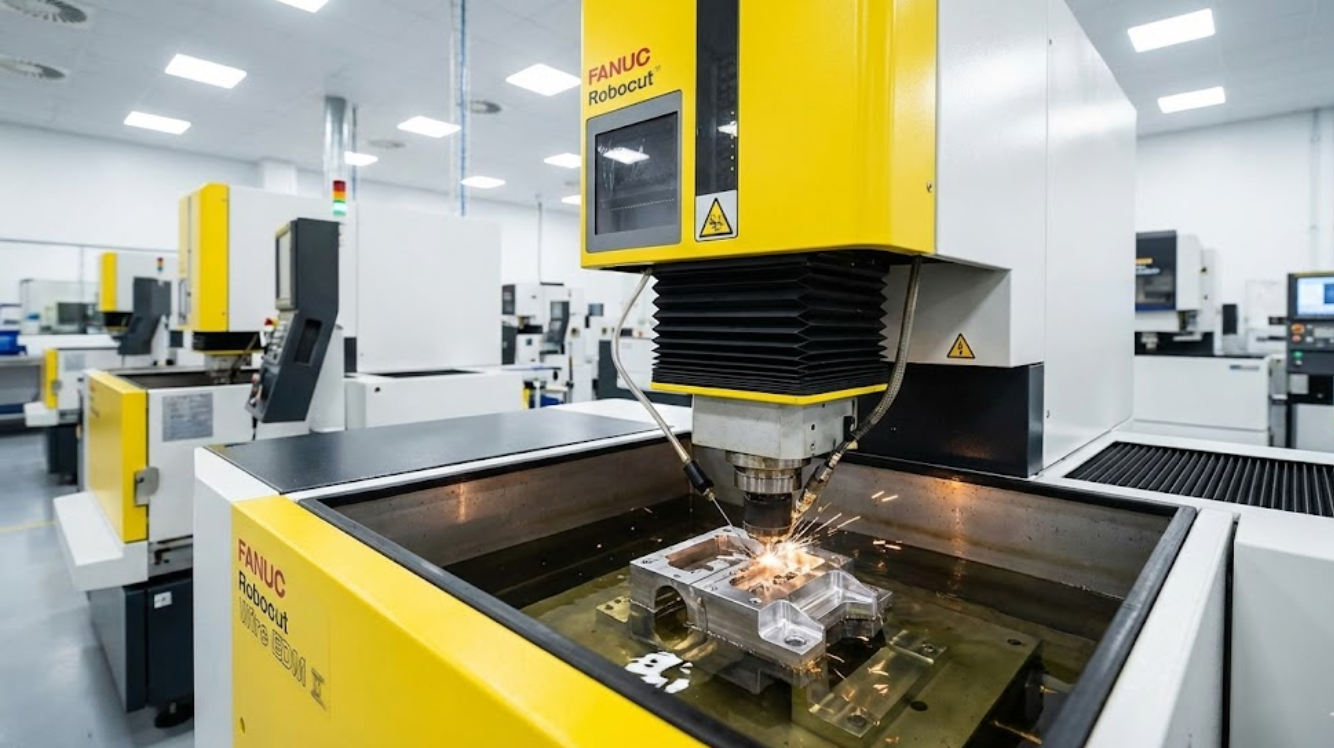
When it comes to precision manufacturing, there are times when conventional cutting is simply not enough. Especially with challenges like hard materials, intricate geometries, and ultra-tight tolerances, you need a different approach. This is where EDM machining steps in.
At FANUC India, we work closely with industries like automotive, aerospace, electronics, and toolmaking. Over the years, if there is one thing we know is that understanding what is EDM machining and choosing the right technology partner can directly impact the accuracy, productivity, and long-term reliability. We understand the problem because our customers face it every day, and we build machines to solve it!
Which is why, in this guide, we will break down what is EDM machining, explain the EDM machining process, explore the types of EDM and their application, and show how FANUC ROBOMACHINE Wire EDM solutions can help you push the overall precision further, that too consistently, safely, and efficiently.
The EDM full form is Electrical Discharge Machining. If we put it simply, what is EDM machining is a non-traditional manufacturing process where material is removed using controlled electrical sparks instead of physical cutting tools.
So unlike milling or turning, EDM machining does not rely on mechanical force. And this is why EDM machining matters:
This is what makes “what is EDM machining” a more of a critical solution in modern production environments where accuracy is a non-negotiable. Many won't tell you this, but the EDM machining process is a bit complex:
Step 1: Setup of Electrode or Wire
Step 2: Dielectric Immersion
Step 3: Spark Generation
Step 4: Material Removal
Step 5: Continuous Flushing & Monitoring
This whole EDM machining process gives you the precise control with which you can have repeatable accuracy.
This will make it easier for you to understand:
Understanding the types of EDM can help you select the right solution for your specific production needs. And each method has a distinct application of EDM across industries! Let’s go through them:
Wire EDM uses a thin, continuously fed wire as the electrode to cut intricate shapes with exceptional precision. These are perfect when tolerances are tight and surface finish matters.
Applications of Wire EDM:
And because of the high accuracy and repeatability, wire EDM is ideal for parts where even a micro-level difference can matter!
Sinker EDM uses a shaped electrode to carve cavities and complex internal features. But unlike wire EDM, it’s more suited to creating pockets and forms inside a workpiece.
Application of Sinker EDM:
Here is a tip for you: When internal geometries are too complex for traditional cutting, sinker EDM provides unmatched precision and consistency.
Hole Drilling EDM is designed for drilling very small, deep holes with high accuracy, and well, this is something mechanical drilling struggles to achieve!
Application of Hole EDM:
This is highly effective in industries like aerospace or automotive, or basically where component reliability depends on exact micro-hole placement.
At FANUC India, we design machines that work with industries, not against them. Our philosophy is simple: technology should simplify operations, enhance precision, and reduce downtime. That’s the core of our FANUC Robomachine Robocut Wire EDM solutions.
The reason why we focus so much on Wire EDM performance is that it is usually the last step in producing high-value components. However, if there is any inconsistency at this stage can mean rework, delays, or even rejected parts. This is exactly where our ROBOMACHINE shines!
Our ROBOCUT machines actually enhance the whole EDM machining process through:
Let’s add more to it!
The working of electric discharge machining becomes far more reliable with the right technology. Especially when our FANUC ROBOMACHINE ensures:
By having these features, you can focus on the production rather than troubleshooting. This will literally change the game for you, and help you maintain tight tolerances!
In fact, across India, industries rely on our Wire EDM solutions to produce:
And yes, these are real-world applications of EDM that demand high accuracy and reliability. Considering that, our FANUC ROBOMACHINE delivers just what you need every time! After all, when a machine runs overnight without surprises, productivity takes care of itself!
One big takeaway from this guide is that understanding what is EDM machining is no longer optional for modern industries. It is actually pretty important. And we are talking from the very scratch, like, from the EDM machining process fundamentals to real-world applications of EDM, this technology continues to shape precision manufacturing.
Here at FANUC India, we are not just about providing machines that get work done, but actually providing solutions that benefit you! We offer:
1. What is EDM's full form, and why is it used?
The EDM full form is Electrical Discharge Machining. It’s used to machine hard, conductive materials with exceptional precision — especially when traditional cutting methods fall short.
2. How does the EDM machining process work?
The EDM machining process generates controlled electrical sparks between an electrode and a workpiece, eroding material without physical contact. This allows highly complex geometries and tight tolerances to be achieved consistently.
3. What are the types of EDM?
The main types of EDM are wire EDM, Sinker EDM, and Hole Drilling EDM. Each of them have their own application of EDM, and it depends on your requirements to see which one will fit!
4. Where is EDM used?
It can be used in multiple industries like automotive tooling and dies, aerospace components, medical devices & impacts, and electronics & precision engineering! Without the help of EDM, it will be impossible for industries to achieve parts with conventional machining alone!
5. Why choose wire EDM over other methods?
With Wire EDM, you get accuracy like none other, minimal tool wear, excellent surface finish, and the ability to cut complex shapes.
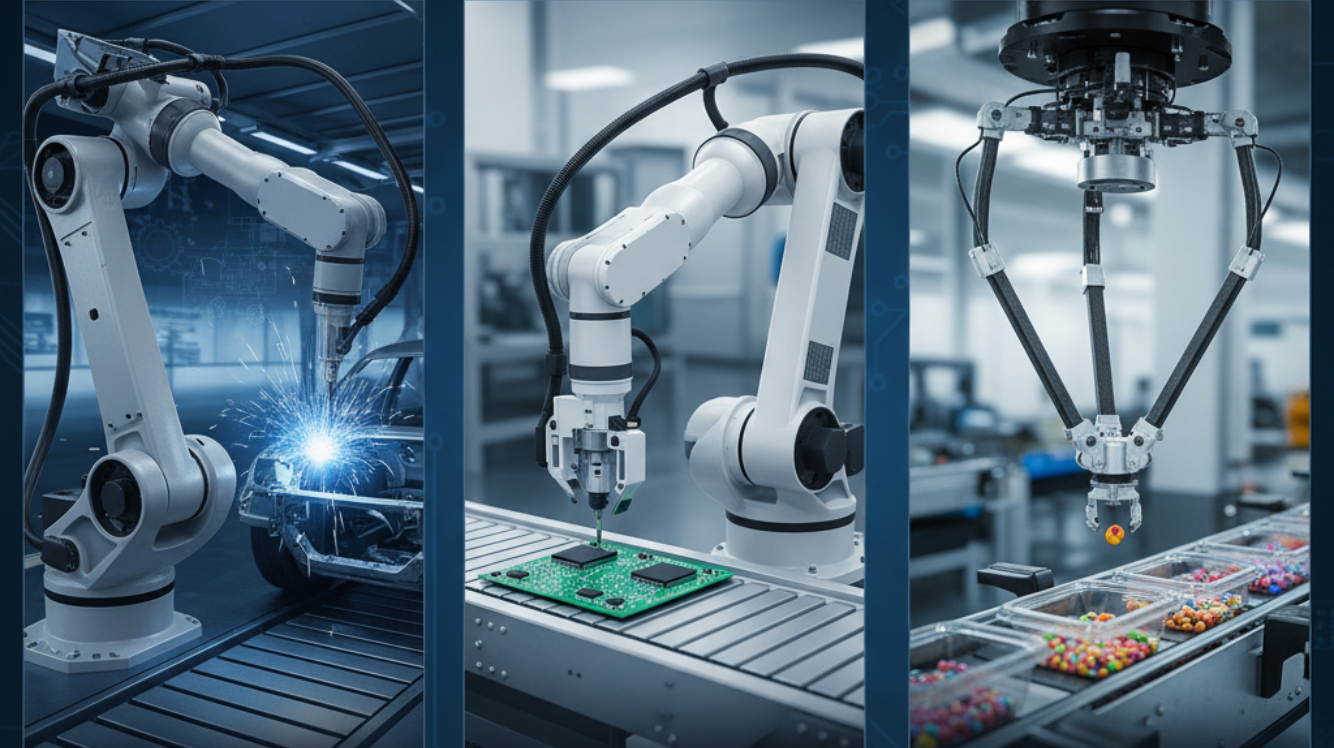
Discover various types of robotic arms used in industries like automotive, electronics, and packaging. Compare articulated, SCARA, delta, and cobot designs.
Know More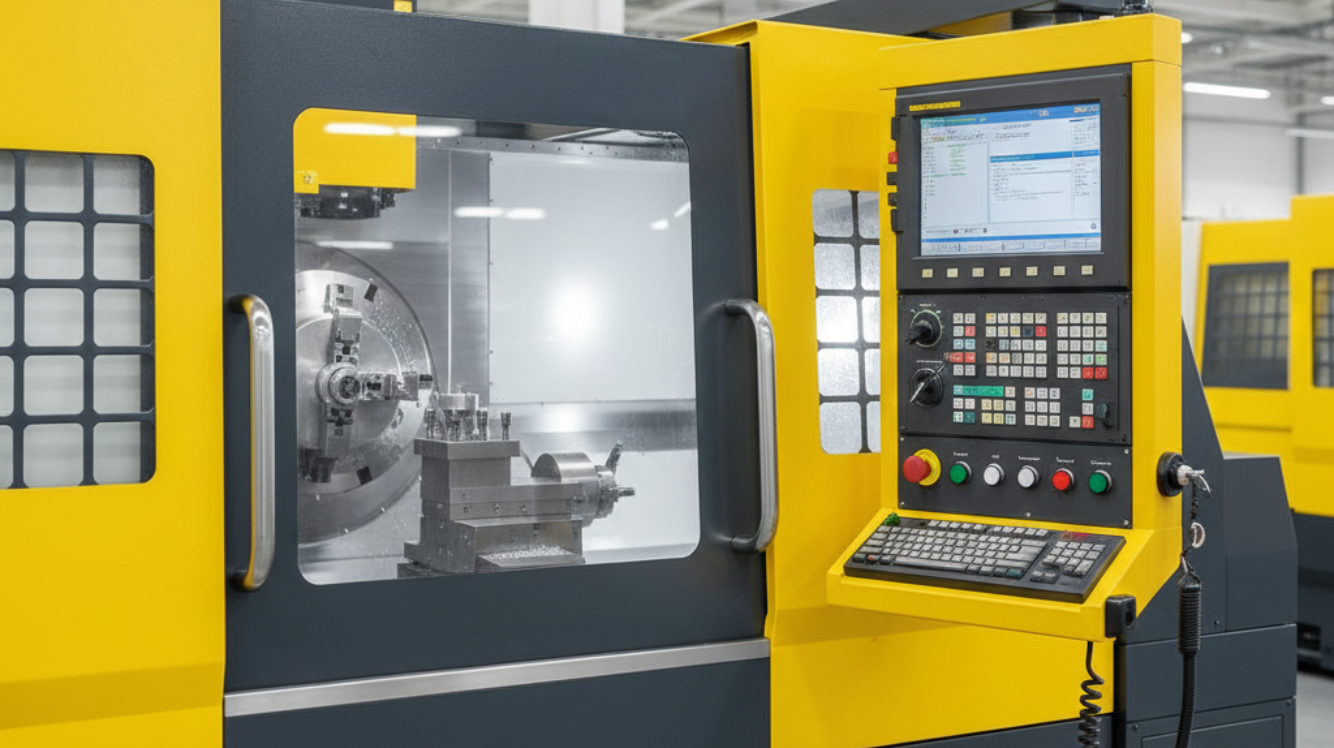
Understand the CNC and VMC machine difference, their functions, applications, and which one suits your machining needs. A clear and simple comparison.
Know More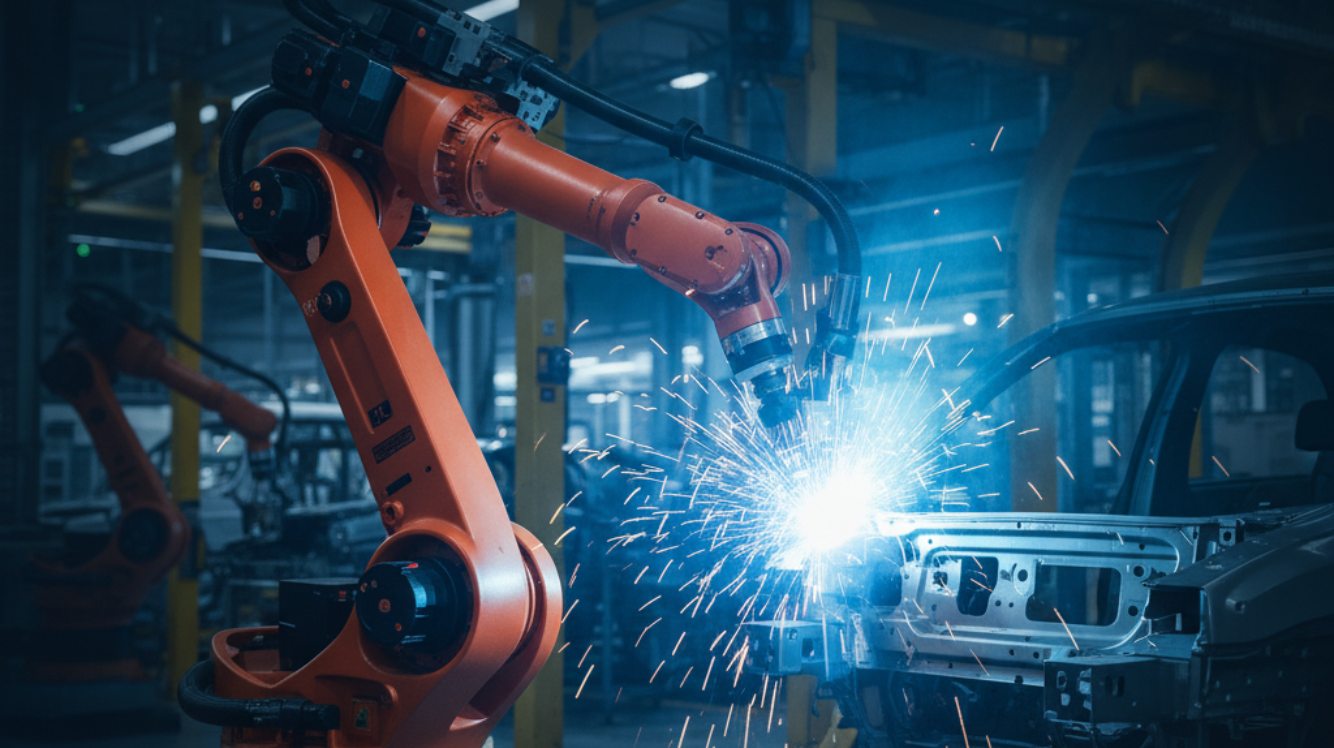
Understand the main types of industrial robots — articulated, SCARA, delta, and cobots. Learn their applications, advantages, and impact on modern manufacturing
Know More
.avif)


